Once a large Ferris wheel is packed and shipped, correcting a structural problem becomes expensive and slow. That is why the verification work happens at the factory, before dispatch, when the structure is still accessible and the supplier’s team is still on site.
This article explains how a buyer can verify structural quality before shipment, and what to look at beyond the certificate. Configuration options are described on this Ferris wheel for sale page.

Review the Design Before You Review the Weld
Verification starts with the design: the load cases, the wind speed, the safety factors and the standard the structure follows. If the design assumptions do not match the site, the quality of the fabrication is irrelevant.
Confirm that the foundation loads issued to your contractor come from the same design. A mismatch between the drawing package and the foundation design is a common source of late problems.
Check Material Traceability
Ask for mill certificates for the main structural sections and confirm they match the specified grade. Check that the certificates cover the actual heat numbers used, not just a generic material statement.
Traceability matters most on the main frame and the rim, where a substitution would affect the structure’s capacity and fatigue life.
Look at the Welds and the Coating
Weld inspection records should identify the welds tested and the results. During a factory visit, look at the welds on the main connections, the condition of the coating and the preparation before painting or galvanising.
Coating thickness can be measured on site or at the factory. A coating that is thinner than specified will fail earlier, particularly in coastal or humid conditions.
Witness the Trial Assembly and Load Test
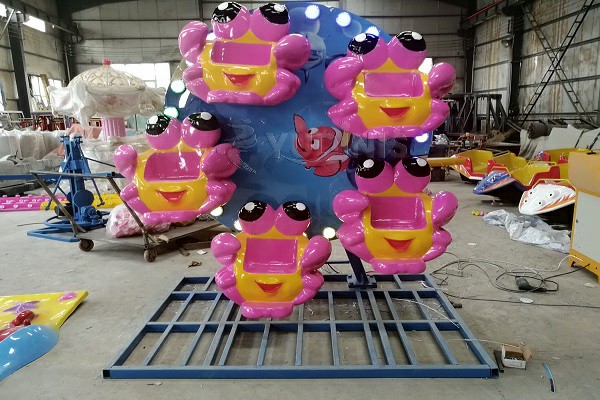
Where the wheel is trial-assembled before packing, the fit of the main sections can be checked. That is the moment to confirm that the bolt holes align and that the structure matches the drawing.
The load test or drive test confirms that the wheel rotates and that the braking and control systems function. Ask for the test procedure in advance and record the results.
Check the Cabins and Secondary Structures
The cabins, hangers and doors are part of the safety system. Confirm the restraint operation, the door locking and the condition of the glazing and panels.
Materials such as FRP are used for cabin shells and decorative panels, and the finish should be inspected for voids, cracks and poor bonding before packing.
Use an Independent Inspector
A third-party inspector adds credibility to the verification and is often required by the buyer’s insurer or authority. Appoint one early, agree the scope and make sure the supplier knows the inspection date.
Collect the Evidence
Photograph the structure before packing, record the inspection results and keep the certificates with the technical file. Those records support the site inspection and the insurance application later.
Buyers planning a ferris wheel pre shipment inspection can request a checklist from the supplier covering the design, materials, welds, coating, trial assembly and tests. A large ferris wheel quality inspection should produce a report, not just a signature.
Dinis builds Ferris wheels and works as a Ferris wheel manufacturer, arranging factory inspection and providing the records with the shipment. A Ferris wheel factory inspection from Dinis can be scheduled before dispatch: https://www.kidsparksolutions.com/ferris-wheel-for-sale/