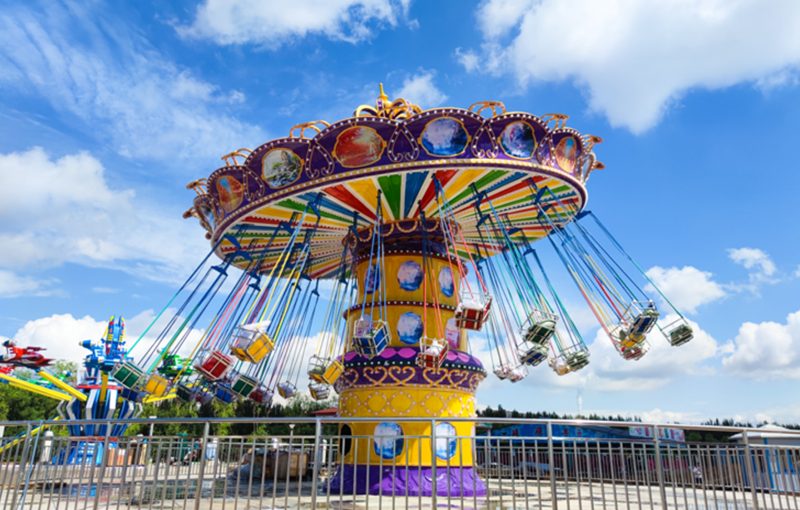
A park with a narrow site often assumes that a high-capacity swing ride is out of reach, because the machines look large in photographs. In practice, the deciding measurement is the clear area around the rotating structure, not the base plate alone. This guide explains when a 36 person wave swinger ride for small parks is the right fit.
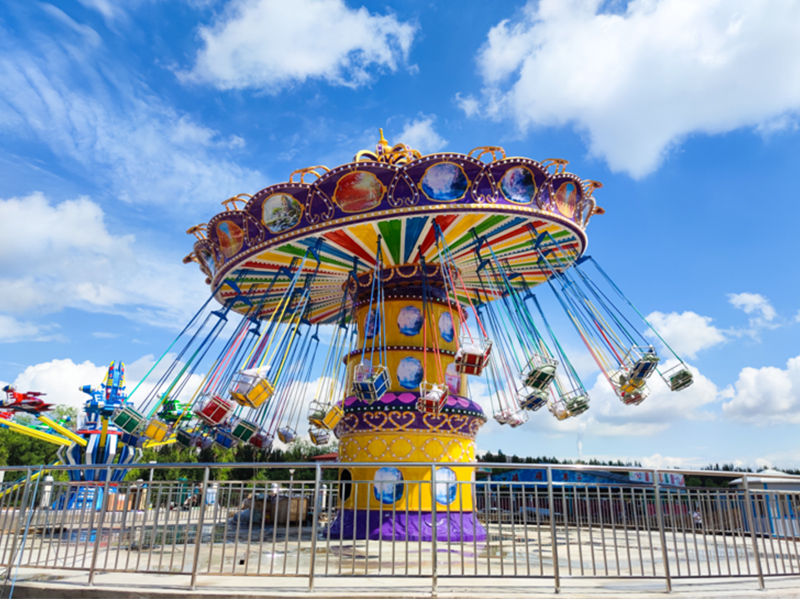
Measure the Clear Circle, Not the Base
The ride sweeps a circle as the chairs rise, and that circle is what must fit between the fence, the buildings and the neighbouring attractions. Measure the clear diameter the manufacturer specifies, add the clearance required for the fence and the service route, then compare it with the site. A plot that looks too small for the platform may still accept the ride if the clear circle is drawn correctly on the plan.
Check the Height and Airspace
Limited ground space often means the site is surrounded by trees, lighting masts or buildings, so the vertical envelope matters as much as the footprint. Confirm the maximum height of the ride and the space needed for maintenance access above the platform. Where the site is enclosed, a lower model may suit better even if it carries fewer passengers per cycle.
Plan the Queue Outside the Sweep
A compact site leaves little room for a long queue, and a queue that intrudes into the ride’s safety area is not acceptable. Design the waiting line to sit outside the clear circle, with an overflow route that can be opened on busy days. A space saving wave swinger ride arrangement works best when the entrance and exit are on opposite sides of the platform, so that two groups never meet in the same narrow area.
Compare Capacity per Square Metre
The commercial case for a large swing ride on a small site rests on capacity per square metre. Thirty-six seats per cycle, run on a short programme with a disciplined loading routine, can outperform two smaller rides that occupy the same total area. Calculate guests per hour for the actual cycle time, then compare it with the alternatives rather than with the catalogue seat count alone.
Confirm Power and Foundations
A larger swing ride needs a suitable power supply and a foundation designed for the dynamic loads of the rotating structure. Check the connected load, the anchor details and the drainage around the base, and confirm that the delivery and erection equipment can reach the site. Reviewing the layout of an ocean themed swing ship attraction shows how another swing ride manages clearance and access on a comparable plot.
Weigh the Ride Against the Site Plan
Finally, check that the new ride does not block a walkway, a fire route or a future expansion. A high-capacity attraction that traps guests in a corner is worse than a smaller ride in a better position. The motion and clearance of the ride are described in general material on swing ride design, and understanding them helps the park test the layout before the foundation is poured.
A 36-person wave swinger suits a limited site when the clear circle fits, the height is acceptable, the queue stays outside the sweep, capacity per square metre is strong and the power and foundations are confirmed. Measure the site properly and choose the position before the model. Operators can review the range with ThemeParkProjects ride space planning and start from the product page at https://themeparkprojects.com/36-people-wave-swinger-ride/.