The number of cars to order with a wild mouse roller coaster affects station operation, queue flow, capacity, maintenance, and the investment required for spares. More vehicles are not automatically better. The correct fleet is the number the circuit and station can use efficiently while preserving reliable operation.
A park considering a Theme park wild mouse roller coaster for sale should begin with the supplier’s approved train and block arrangement. Vehicle count is part of the overall design, not a simple option that can be increased without checking clearances, controls, and storage.
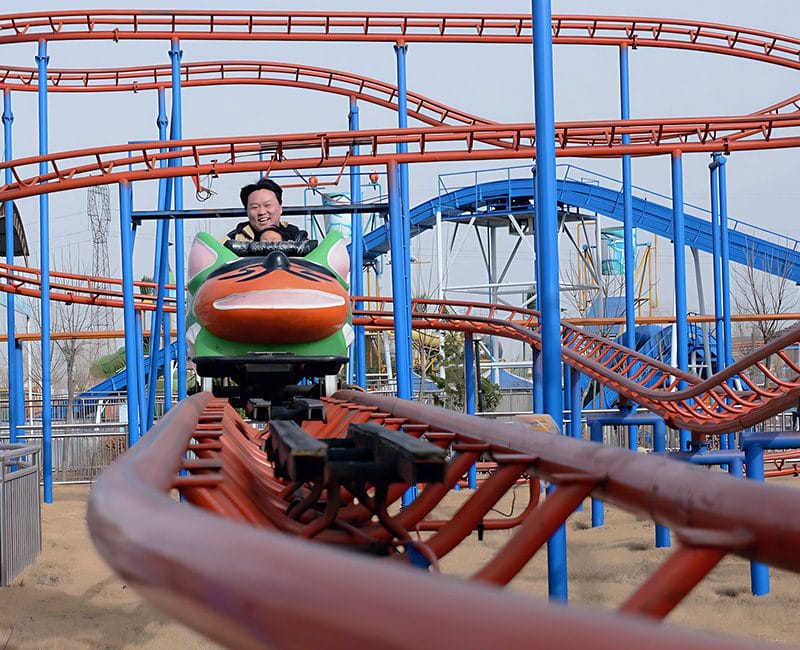
Begin with the Ride Circuit
The circuit determines how many vehicles can operate safely at once. Track blocks, station layout, lift, brake positions, and control system rules define the allowable spacing. Adding a car without engineering review can change cycle behavior and safety logic.
The longer coaster track advantages may provide more time and movement for guests, but it can also change the interval between dispatches. Review the complete route and not the track length headline alone.
Balance Cars with Station Time
Extra vehicles can help when one car is loading while another completes the circuit, but the station must be able to move them safely and attendants must keep up with restraint checks and boarding. A larger fleet cannot compensate for a slow platform.
| Decision area | Why more cars may help | Why fewer cars may be better |
|---|---|---|
| Queue demand | More vehicle capacity can reduce waits | Low demand may leave cars idle |
| Station cycle | Vehicle spacing can support loading | Extra movements can complicate dispatch |
| Maintenance | Spare vehicle can cover service | More inspections and parts inventory |
| Storage | Allows rotation and repairs | Requires workshop and handling space |
| Capital | Adds operating flexibility | Raises initial and lifecycle cost |
Use Capacity Planning, Not Guesswork
The question “how many cars for a wild mouse coaster” should be answered with a demand model. Compare peak family traffic, normal weekends, school groups, and quiet weekdays. Estimate how often every car will be needed and whether the station can dispatch groups consistently.
Review theoretical and achieved capacity separately. A fleet that looks efficient on paper may be limited by average occupancy, restraint checks, or the time needed to clear the platform.
Reliability and Maintenance
Some parks choose an additional service vehicle or maintenance set to reduce downtime, but the manufacturer must approve how a car is removed, stored, and returned to service. More cars create more wheels, restraints, fasteners, sensors, and inspection tasks.
Spring steel may be used in specified mechanical components such as springs or other engineered parts. Part material and replacement requirements must follow the approved maintenance documentation.
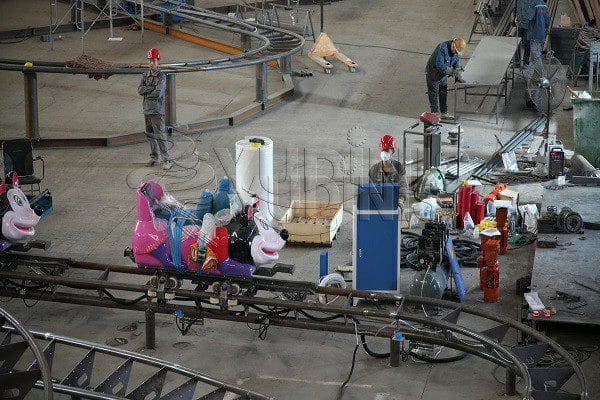
Include Spares in the Purchase Decision
Ask the supplier to separate the approved operating fleet from recommended spare components. Review long-lead items and storage requirements. The Dinis coaster fleet planning should explain how the proposed number of cars interacts with capacity, intervals, and maintenance access.
If the park plans to add attendance or extend the operating calendar, ask whether the circuit can support additional vehicles and what changes would be needed.
Compare Fleet Scenarios
Use the compare coaster fleet options with the same ride layout, opening calendar, and occupancy assumptions. Compare the approved minimum fleet, a balanced operating fleet, and a scenario with a service spare. The amusement ride engineering supplier can coordinate vehicle supply with station and maintenance planning.
- Confirm the approved operating vehicle count.
- Calculate realistic riders per day and peak hour.
- Add a service strategy if downtime risk justifies it.
- Include spares, storage, and handling equipment.
- Review delivery timing before opening.
Operational Considerations for the Final Decision
Plan the spare-car strategy
A service spare can protect opening dates when a vehicle requires repair, but it adds cost and requires space. The manufacturer must confirm whether a spare can be stored fully assembled or needs controlled disassembly. The park should also know which inspections and documentation must transfer with that car.
Consider how vehicles will be moved from the track to the workshop. Door widths, lifting points, floor capacity, and aisle space should be checked before delivery. A car that cannot be moved efficiently can extend a routine repair into a major closure.
Review the operating crew’s ability to keep several vehicles cycling through the station. More cars increase the opportunities for inconsistent restraint checks, mismatched loading, or delayed dispatch unless the procedure is clear and well practiced.
Run a tabletop exercise with operations staff for a car removed from service and another car experiencing a sensor fault. Decide which positions can remain active and how the queue is informed. The result may show that the approved operating fleet already meets the park’s practical needs.
Before ordering spares, confirm the manufacturer’s storage instructions and warranty terms. Components kept as standby vehicles or assemblies should remain in the condition the maintenance manual assumes, with all records available when they enter service.
Finally, compare the fleet plan with the park’s growth expectation. If attendance may increase, ask the manufacturer which measures can be prepared now without committing to unnecessary cars at opening.
Choose the Fleet That Fits the Park
Purchase enough cars to operate the approved circuit reliably, not simply enough to fill a catalogue budget. Match the fleet to demand, station throughput, maintenance capacity, and the park’s risk tolerance.
Record the final approved quantity, spare strategy, storage plan, and maintenance responsibilities in the handover file so future operators understand why that fleet was selected.