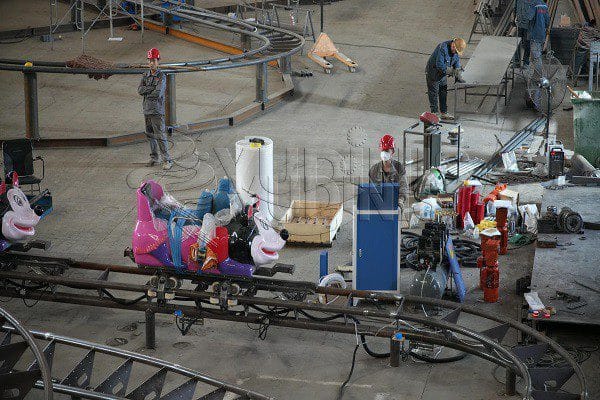
A wild mouse roller coaster daily inspection checklist should turn the manufacturer’s instructions into a repeatable opening routine. It should help attendants and maintenance staff identify unsafe conditions before riders board, not replace detailed preventive maintenance.
A park considering a Theme park wild mouse roller coaster for sale should establish the checklist during commissioning and train the team to use it consistently.
Before the Ride Opens
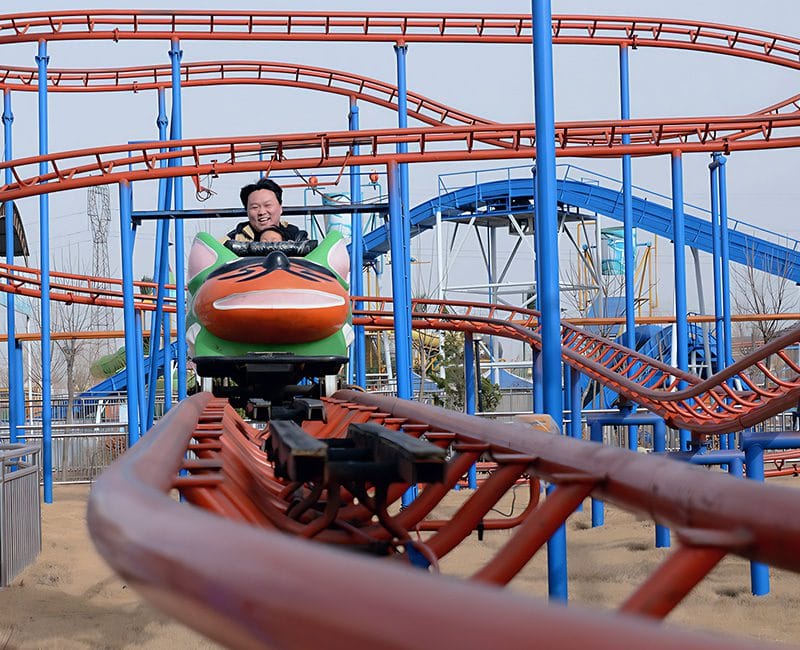
Walk the track, station, queue, and surrounding area. Look for obstructions, spills, damaged fencing, loose objects, and changes since the previous operating day.
Inspect the vehicle exteriors, seats, restraints, wheels, gates, and signs. Confirm that every position is clean and that no unauthorized modification is visible.
Daily Inspection Categories
| Area | Examples for the checklist | Record |
|---|---|---|
| Track and structure | Obstructions, damage, loose parts, and access | Pass/fail and notes |
| Vehicles | Seats, restraints, wheels, and body condition | Vehicle or position number |
| Station | Gates, platform, queue, and emergency route | Corrective action |
| Controls | Indicators, alarms, communications, and power | Inspector and time |
| Environment | Weather, lighting, drainage, and debris | Operating decision |
Mechanical Checks
The wild mouse coaster daily inspection should follow the approved manual. Bearing steel may be used in specified bearing components, but staff must inspect the installed parts for unusual noise, heat, movement, or moisture rather than judging material from appearance.
Check wheels, fasteners, restraints, brakes, and visible drive components according to the manufacturer’s procedure. Report anything outside the approved condition.
Control and Safety System Checks
At power-up, verify that indicators, communications, gates, and safety circuits respond normally. Test the procedures the park is authorized to perform.
- Confirm emergency stop and communication.
- Check dispatch and gate interlocks.
- Verify fault displays and battery status.
- Confirm backup procedures are available.
- Record any reset or abnormal event.
Run a Test Cycle
Operate the coaster according to the daily procedure before admitting guests. Listen for unusual noise, observe vehicle movement, and confirm brakes and station sequencing.
The roller coaster daily inspection checklist should state who completes the test, what is observed, and when the ride cannot open.
Cleaning and Guest Areas
Clean seats, restraints, gates, and high-contact surfaces using approved products. Check that cleaning does not leave slippery floors or wet control equipment.
Inspect queue rails, signs, lighting, and exits. A safe ride also needs a safe guest approach and departure route.
Weather and Environmental Checks
Record temperature, wind, rain, lightning, and other approved operating limits. Follow the manufacturer and park policy when conditions change during the day.
Close the loop on defects
A defect should not disappear from the checklist without a corrective record. Identify the person responsible, the action taken, and the approval required before operation resumes.
Who Reviews the Checklist?
The Dinis coaster maintenance support and maintenance team should agree on inspection frequency, records, and escalation. The roller coaster maintenance supplier can help set up spares and support. Use the review the daily inspection checklist to compare what the supplier provides, but keep the final document specific to the installed ride.
Checks During Operation and at Close
The checklist also needs an in-operation section. Attendants should watch loading, restraint checks, dispatch, vehicle behavior, and the station area throughout the day. Any unusual noise, movement, leaked fluid, or repeated fault should be reported immediately.
Close the operating day consistently
After the last rider, inspect the station and track area and secure gates and power according to the approved procedure. Record any event that requires maintenance attention so the next team does not start without context.
Build a Useful Record
A daily sheet should identify the ride, date, inspector, weather, opening and closing checks, abnormal observations, corrective actions, and the decision to open or close. Keep it controlled and readable.
Use photographs for visible defects where appropriate. Link the report to the work order and to the maintenance manager who approved the repair or operating restriction.
Train and Audit the Checklist
Training should confirm that staff know what to inspect, how to document a fault, and when to stop the ride. Supervisors should periodically observe the routine rather than relying only on completed tick marks.
Review recurring entries with the manufacturer and maintenance team. Repeated adjustments, alarms, or damage may show that the checklist or equipment needs further investigation.
Use the Manufacturer’s Checklist as the Base
Start with the inspection items supplied for the installed ride. Do not replace a required manufacturer check with a generic park checklist. The final document can add site-specific items such as access gates, landscaping, drainage, and communication.
Separate checks that an attendant can perform from tasks requiring a qualified maintenance technician. The form should make that distinction obvious so critical work is not assigned to someone without the necessary training.
Keep the checklist version controlled. When a component, procedure, or inspection interval changes, update the form and retrain the staff who use it.
This structure helps the park show that the daily routine follows the approved equipment requirements while still reflecting the real site and operating conditions.
Before each season, review the form with the maintenance manager and supplier support contact. Confirm that part names, photos, and escalation numbers still match the installed ride.
- Remove obsolete inspection items only with documented approval.
- Add any newly identified site hazard.
- Confirm who may clear each fault.
- Update emergency contact details.
- File the approved revision with the ride records.
This annual review keeps the checklist aligned with the installed ride and its maintenance requirements. It also supports consistent training.