What Hidden Costs Should Investors Include Before Building an Amusement Park?

Almost every amusement park project begins with a budget, and very few of them survive contact with the construction site unchanged. What surprises investors is not the price of the rides themselves. It is everything that has to be built around them: ground works, utilities, access, approvals, and the operating costs that start running before the first ticket is sold.

This article walks through the cost lines that are most often left out of a first estimate, and explains how early decisions about ride selection and park layout change the total figure. Investors who want to see how the numbers fit together can start with this how much does it cost to build an amusement park guide before contacting suppliers.
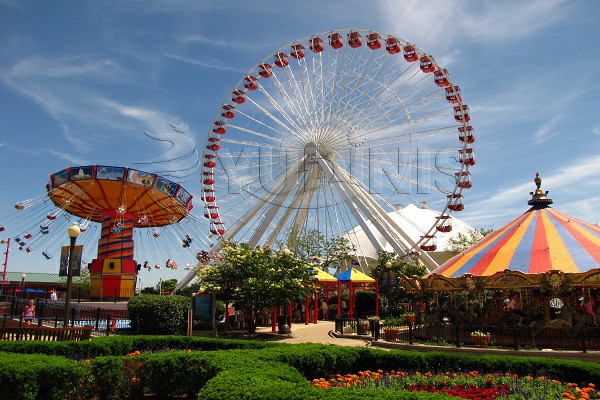
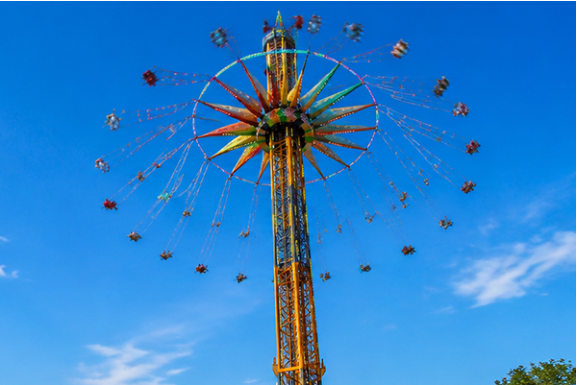
amusement park under construction

Site Preparation Costs That Rarely Appear in the First Budget

Land is usually the first line an investor writes down. Preparing that land is where the budget starts to move. A flat, well-drained plot and a sloped site with soft ground can differ enormously in what they cost to make buildable.

The items worth costing properly at the start include:

  • Ground improvement, levelling and compaction work
  • Drainage, retention and stormwater management
  • Retaining walls, embankments and slope protection where the terrain requires it
  • Access roads, service routes and parking areas
  • Perimeter fencing, gates and site security during construction

Foundations deserve separate attention. Large rides need reinforced concrete bases designed for their specific loads, and those bases are usually more expensive than the investor expects because they cannot be value-engineered after the ride is chosen.

Utility and Infrastructure Connections

Power is the second cost that grows quietly. A park with a small number of family rides needs far less electrical capacity than a park with high-capacity attractions, night lighting and a food and beverage operation. Where the local grid cannot deliver the required capacity, the project has to pay for a transformer, cabling or a generator.

Water supply, sewage, waste handling, site lighting and communication cabling all follow the same pattern. Each is modest on its own and significant when added together. Bringing these services to the correct locations before rides are installed is far cheaper than retrofitting them afterwards.
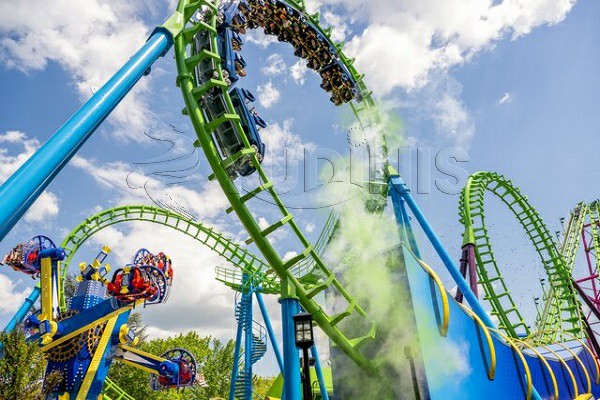
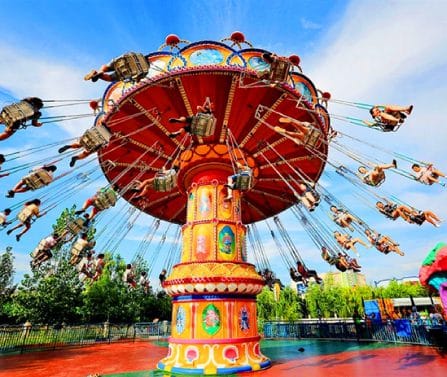
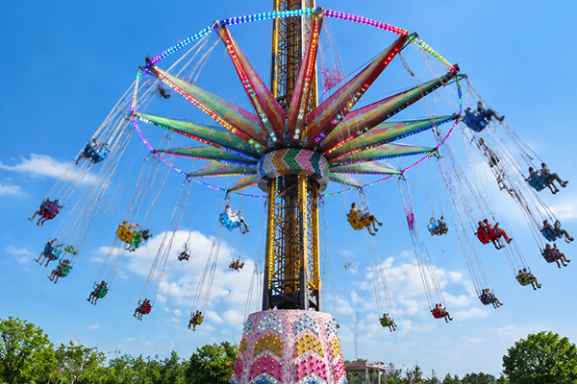
amusement park infrastructure and rides

The practical test is simple: if the park were to open tomorrow, which services would have to be working? Those are the connections that must be priced in the construction budget rather than in the operating budget.

Ride Procurement Costs Beyond the Quoted Price

The quotation a buyer receives from a manufacturer normally covers the ride itself. The delivered, working attraction costs more than that. A complete amusement park cost estimation from Dinis therefore separates the ride price from four additional layers:

  • Logistics. Export packing, inland transport, ocean freight, insurance, port handling and customs clearance.
  • Installation. Foundations, steel erection, mechanical and electrical assembly, and the labour to carry it out.
  • Commissioning. Load testing, safety verification and handover before the ride carries a single passenger.
  • Training and documentation. Operator training, maintenance manuals and spare parts inventory.

Buyers who compare only the factory price often find that the cheapest quotation is not the cheapest project. Delivery scope, warranty terms and after-sales support change the real cost of ownership more than a small difference in unit price.

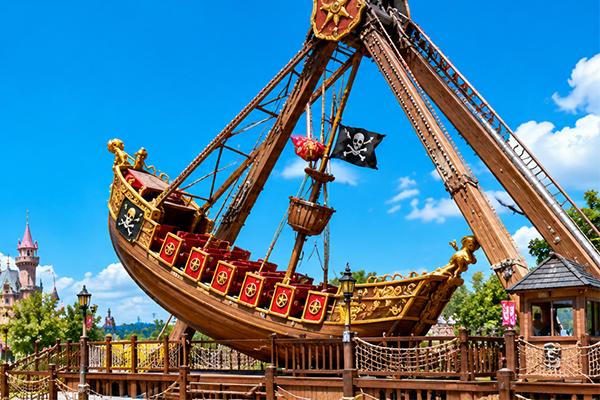
theme park rides installation

How Layout and Ride Selection Reduce the Total Investment

Layout decisions made on paper are free. The same decisions made after construction are expensive. A park plan that groups rides by shared infrastructure, keeps service routes clear and leaves room for a later phase avoids rebuilding the same ground twice.

Ride selection matters just as much. Choosing attractions that balance passenger capacity against investment, and that appeal to the families who will visit most often, produces a cost to build a family amusement park that stays within reach while still generating repeat visits. Adding a second high-capacity attraction later, once the park has cash flow, is usually easier than financing everything at once.

Phasing is not a sign of a weaker project. It is often the difference between a park that opens and a park that stalls halfway through construction.

Operating Costs That Start Before Opening Day

Pre-opening costs are frequently underestimated because they are not construction. They include staff recruitment and training, insurance, safety inspection, licensing, marketing and launch events, and the working capital needed to run the park through its first low season. A park that opens without this reserve is fragile for the first year, regardless of how good the rides are.

Once operating, the recurring lines are maintenance, spare parts, consumables, utilities and wages. Estimating these realistically – and pricing tickets and food accordingly – is what turns a well-built park into a viable business rather than a construction project that never recovers its amusement park project cost.

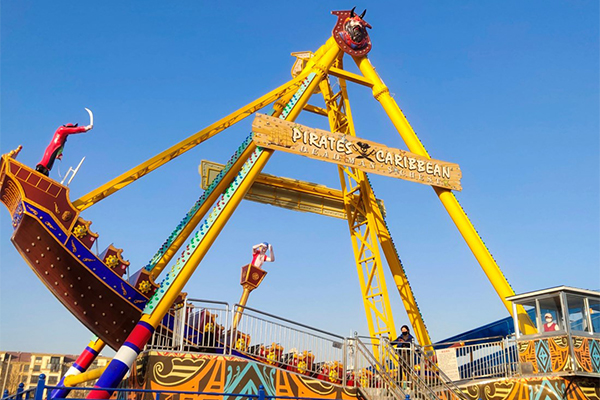
family amusement park operation

Where to Start

The most reliable way to control an amusement park budget is to fix the ride list and the layout before the civil works begin, and to obtain quotations that state clearly what is and is not included. Structural quality is also worth confirming at this stage, since components such as FRP shells, galvanised steel frames and drive systems determine both the service life of the ride and the maintenance cost for the next decade.

Dinis supplies amusement park rides and complete park equipment packages for family parks, and works with investors from ride selection through to commissioning. As an amusement park rides manufacturer, the company provides the technical drawings, load calculations and packing documentation that let buyers build realistic project budgets. Tell us the land size, your target audience and your investment range, and we will prepare a ride package proposal with the associated cost structure.

Current project reference: https://www.kidsparksolutions.com/how-much-does-it-cost-to-build-an-amusement-park/
When Is a Diesel Trackless Train Better Than a Battery Train for a Large Outdoor Park?

Battery trackless trains are quieter and cleaner, and in most parks they are the right answer. Diesel still wins in a specific set of circumstances: long routes, heavy loads, steep gradients, limited charging infrastructure and days that run from early morning until late at night. This guide explains when a diesel trackless train for large parks is the better choice for a large outdoor site, and what to check before ordering.

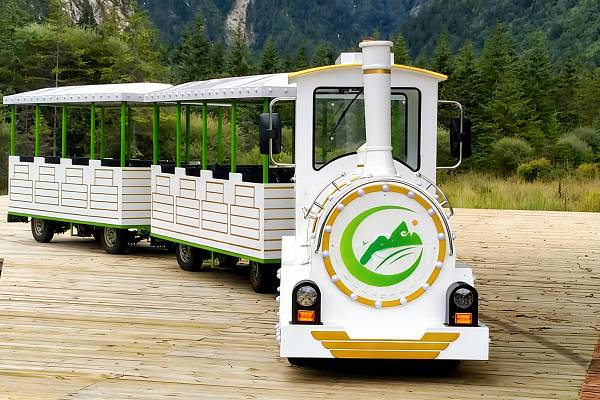
diesel trackless train for large parks

Measure the Daily Duty Cycle First

Write down the route length, the number of stops, the gradients and the hours the train will run. A large outdoor park with a five-kilometre circuit and eight boarding points draws far more energy than a compact zoo loop, and the difference decides whether a battery pack can complete the day with a mid-day charge or whether the park would need a second train to cover the gap. Diesel removes that constraint because refuelling takes minutes rather than hours.

When the Route Is Long and Exposed

Long routes across open ground expose the fleet to wind, sun and rain, and a large outdoor park often wants enclosed or semi-enclosed carriages that add weight. Weight reduces range. Diesel trains handle that combination without a redesign, and a model such as a forty-seat diesel trackless train for resorts shows how much seating can be carried on a single unit when the power source is not the limiting factor.

When Charging Infrastructure Is Limited

Battery operation is only as good as the charging regime behind it. If the park has no suitable power supply at the depot, no covered charging bay and no technician available to manage battery health, a battery fleet will disappoint in its second season. Diesel avoids that investment, needing only a compliant fuel store, a safe refuelling point away from guests and a maintenance regime the park can staff today. Compare the available trackless train models against the infrastructure you can realistically build.

Noise, Emissions and Guest Zones

Diesel brings noise and exhaust, which matters more in animal enclosures, indoor areas and quiet gardens than on an open route through a large park. Map the route against the zones where guests stop to listen or watch, and choose the stopping points so that engines idle away from those areas. Modern diesel locomotive design has reduced both noise and emissions considerably, but the park still has to plan refuelling, ventilation and driver procedure around them.

Operating Cost and Servicing

Compare five-year costs rather than purchase prices. Diesel requires fuel, oil and filter servicing, while battery fleets require electricity, pack replacement and more careful handling. On routes where a battery train cannot complete the day, the true comparison is between diesel and a larger battery fleet with spare units, and diesel usually wins on both capital and labour in that scenario. A diesel trackless train for sale should be evaluated with a written servicing plan covering intervals, spare parts and the skill level of your workshop.

Ordering the Right Configuration

Finally, specify the train for the park rather than for the catalogue. Ask about engine size, towing capacity, carriage mix, canopy options and braking for gradients, and request a commissioning plan. Where a park expects to grow, a supplier such as Dinis diesel train company can advise on a configuration that can be extended later without replacing the locomotive.

Diesel is the right choice when the route is long, the loads are heavy, the operating day is long and the charging infrastructure is not realistic. Measure the duty cycle, review the route, check the zones where noise matters, compare the five-year cost and specify the configuration properly. The models are listed at https://www.dinistrains.com/diesel-trackless-train-for-sale/.

What Is the Initial Investment Required to Build a Water Park?

Planning a water park starts with one unavoidable question: how much does it cost to build a water park before a single ticket is sold. Owners who answer that question early avoid the most expensive mistake in the industry – buying equipment before the site, the water treatment capacity and the operating budget have been worked out together.

The honest answer is that a realistic water park investment cost depends on four variables: the size of the site, the mix of attractions, the local cost of construction labour, and the standard of finish you choose for guests. This guide breaks the initial investment down item by item so you can build a defensible number for your own project.

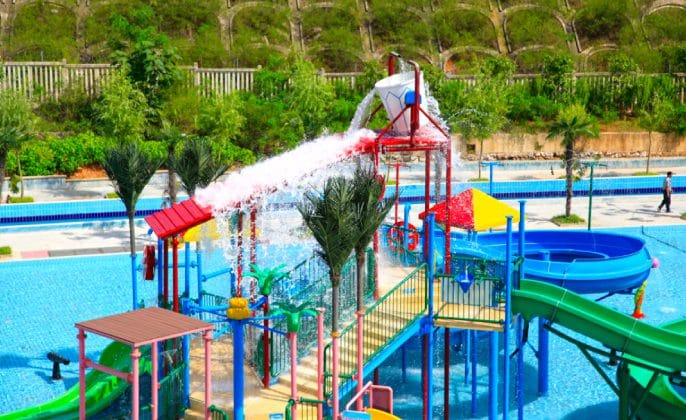
Small water park with slides and splash area

The Short Answer: Water Park Investment Ranges

A small neighbourhood or hotel water park of roughly 1,000 to 5,000 square metres – a splash pad, two or three body or raft slides, a leisure pool and basic changing rooms – typically requires USD 250,000 to 1,200,000 of total capital expenditure. A mid-size commercial water park of 5,000 to 20,000 square metres with a wave pool, multi-lane racer slides and food and beverage outlets generally lands between USD 1.5 million and 6 million. Destination-scale parks above 20,000 square metres start at USD 8 million and rise quickly once themed structures and large wave pools are added.

What Drives the Initial Investment

Every water park budget can be split into six blocks. Understanding the weight of each block is how you control the water park construction budget instead of discovering it halfway through construction.

Land, Earthworks and Site Preparation

If land is already owned, earthworks are usually 8 to 15 percent of the total. Sloped sites cost more because of retaining walls and cut-and-fill. Flat sites with good drainage cost least. Access roads for equipment deliveries should be planned at this stage – a 12 metre slide section cannot be craned into place through a narrow garden path.

Water Park Equipment: Slides, Splash Pads and Wave Pools

Attractions are the largest single line, normally 35 to 55 percent of the project. Body slides are the most economical per guest, raft slides cost more but carry higher throughput, and wave pools are the most capital-intensive single element. Splash pads with interactive play structures are the cheapest way to add capacity for young families. Slide shells are built from FRP – glass-reinforced plastic – which is why surface quality, resin grade and gelcoat thickness matter more than the colour of the ride.

Water park attractions with pool and slides

Water Treatment, Filtration and the Plant Room

Filtration, disinfection, balance tanks, pumps and pipework typically account for 10 to 18 percent. This is the block owners most often under-budget. Turnover rates are set by local health codes: a wave pool may need a complete water turnover every two hours, which dictates pump size, pipe diameter and the area of the plant room itself.

Buildings, Changing Rooms, Food and Beverage

Entrance buildings, family changing rooms, lockers, shaded seating, retail and food outlets usually represent 12 to 20 percent of capital expenditure. Food and beverage space is expensive to build but it is also the fastest area to generate secondary revenue, so it should be sized for peak weekend demand rather than average attendance.

Permits, Engineering and Installation

Design fees, structural and hydraulic engineering, permits, inspections and installation supervision are normally 6 to 12 percent. Import duties, freight and local labour vary enormously by country and should be quoted separately rather than estimated as a percentage.

Pre-Opening Costs: Staff, Marketing and Consumables

Allow 5 to 10 percent for lifeguard recruitment and certification, uniforms, point-of-sale systems, opening marketing and the first stock of chemicals and consumables. A park that opens without a trained lifeguard team and an operating manual cannot legally open at all in most markets.

Investment Ranges by Park Size

Park size Typical attractions Indicative total investment (USD)
1,000 – 3,000 m² Splash pad, 2 body slides, paddling pool 250,000 – 700,000
3,000 – 8,000 m² 3 – 4 slides, leisure pool, kids zone, cafe 700,000 – 1,800,000
8,000 – 20,000 m² Multi-lane racer, raft slide, wave pool, F&B 1,800,000 – 6,000,000
20,000 m² + Destination mix, themed structures, multiple pools 8,000,000 +

Where Owners Can Save Money Without Cutting Safety

  • Phase the build: open the splash pad and two slides first, then reinvest season one revenue into the wave pool.
  • Standardise slide types so the same spare parts and the same maintenance training cover the whole park.
  • Buy the water treatment plant for the final phase at the outset – retrofitting pipework is far more expensive than sizing it once.
  • Use local materials for landscaping, paving and shade structures while keeping ride hardware and filtration specified to international standard.
  • Keep the plant room accessible and well ventilated; serviceability reduces lifetime cost more than a cheaper initial layout.

Payback and Revenue Expectations

Well-run small water parks in warm climates typically target payback in three to five operating seasons. Revenue comes from day tickets, season passes, group and school bookings, food and beverage, and cabana or shade rentals. Season passes should be priced to fill weekdays when fixed costs are already paid. Model the number pessimistically: a park designed for 1,000 guests per day should still be profitable at 350.

Small commercial water park project

Frequently Asked Questions

How much does it cost to build a 1,000 square metre water park?

A splash pad with two body slides, a paddling pool and basic changing facilities on a prepared site typically falls between USD 250,000 and 500,000 for the attraction package, plus land works and local installation.

Is a wave pool worth the investment?

A wave pool is the strongest single attendance driver in a mid-size park, but it also carries the highest water treatment and staffing load. It makes sense above roughly 8,000 square metres of water park area.

How long does construction take?

Design and permitting usually take two to four months, production of slides and filtration equipment four to eight months, and site installation six to fourteen weeks depending on scope and weather.

Planning a Water Park Project?

We supply complete water park solutions from Dinis – attraction selection, hydraulic and filtration design, production, shipping and installation supervision. As a water park equipment manufacturer working directly with owners, we quote the attraction package and the plant room together so the numbers hold up on site. To see how the cost blocks above translate into a real project, read more here or send us your site plan and target opening date.

How Much Land Do You Really Need for a 4-Loop Roller Coaster Project?

Land is often the largest constraint in a coaster project, and operators frequently underestimate how much space a four-inversion ride really needs. The track footprint is only one part of the equation: queues, stations, safety envelopes, maintenance access, and landscaping all consume area around it. This guide explains how to calculate the land required for a 4-loop roller coaster, and where planners usually go wrong.

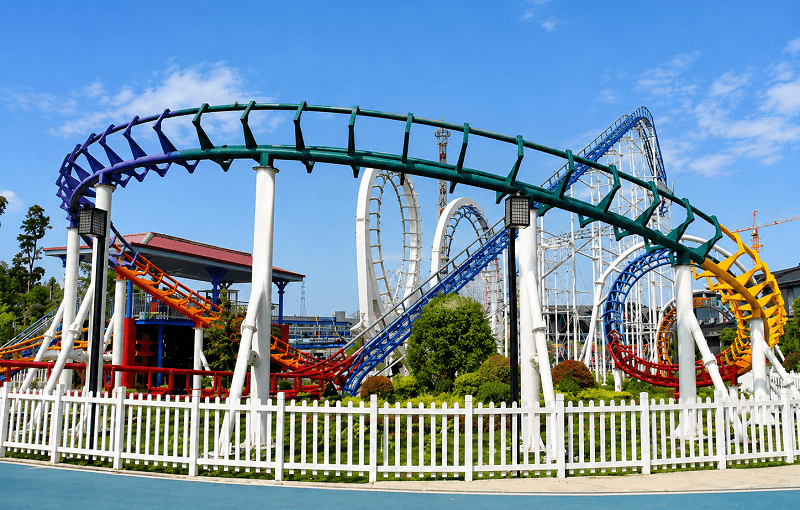
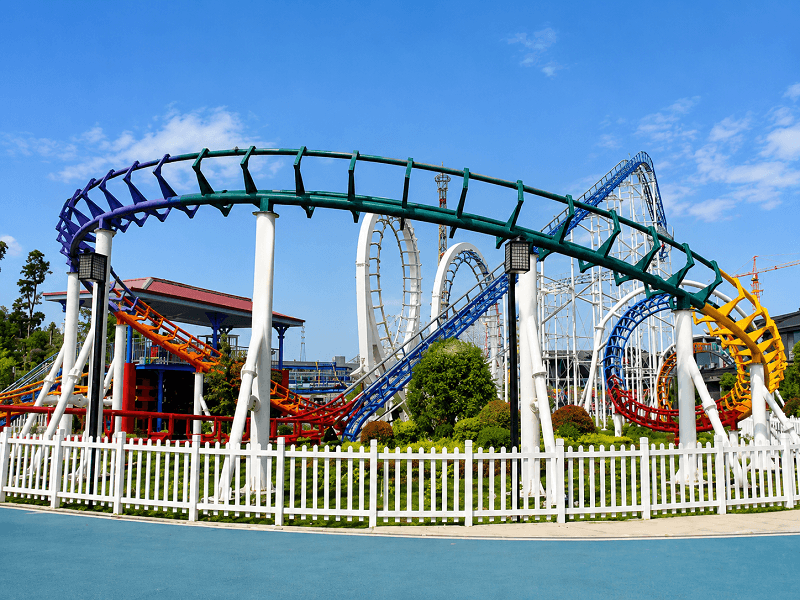
land required for a 4-loop roller coaster

Start with the Track Footprint

Ask the manufacturer for the exact plan dimensions of the layout you are considering, including the support column positions. A compact four-loop coaster typically occupies a plot of roughly one hectare or less for the track itself, but that figure assumes a rectangular, clear site. Slopes, existing trees, and utilities can easily double the effective area required, which is why the plot must be surveyed before the design is frozen.

Add the Safety Envelope and Clearances

Every coaster has a dynamic envelope that must remain free of structures and guest areas, plus minimum clearances for maintenance and evacuation. These zones can add several metres to each side of the layout and must be considered part of the project area, not spare space. Careful roller coaster site planning treats the envelope as a hard boundary that also determines where paths, fences, and landscaping may be placed.

Station, Queue, and Back-of-House Areas

The station building, queue, and dispatch area are often overlooked. A busy coaster needs a queue capable of holding an hour of demand, a covered station with two-sided loading where possible, and a separate exit that does not cross the entrance. Behind the scenes, allow space for maintenance access, a transfer track, spare parts storage, and staff facilities. Together these elements can occupy as much land as the ride itself.

Compare with Larger Layouts Before Committing

It is worth comparing what additional inversions would cost in area. A six loop roller coaster requires a longer layout, higher structures, and a larger safety zone, which may push the project onto a bigger plot of land or require a different site altogether. Plotting both options on the same survey shows immediately whether the extra thrills are feasible.

Plan for Guest Flow and Landscaping

Coasters attract crowds, so paths around the ride must be wider than the park average. Plan viewing areas, photo points, and landscaping that frames the structure without blocking sight lines or intruding into the envelope. These elements make the attraction feel integrated rather than dropped onto a vacant plot, and they influence how much land must be reserved around the track.

Do Not Forget Expansion and Utilities

Leave room for future development, whether that means a second train, an additional brake run, or a neighbouring attraction. Also check the routes for power, drainage, and service vehicles: these services must reach the ride without crossing guest areas, and rerouting them after construction is expensive. A site plan with clear utility corridors prevents hidden costs later.

For most parks, a four-loop coaster needs a plot large enough for the track, the full safety envelope, a substantial station and queue, and service access. Work with an experienced Dinis coaster factory that can supply accurate layouts for your site, and review the fundamentals of roller coaster construction to understand structural and clearance requirements. To compare models and request a site assessment, visit https://themeparkprojects.com/4-loop-roller-coaster-for-sale/.

Инвестиционная ценность аттракциона «Летающая башня 65 м»: почему это выгодное решение для парков и курортов

Индустрия развлечений постоянно развивается, а посетители парков, курортов и туристических зон всё чаще ожидают не просто развлечений, а ярких эмоций и уникального опыта. Именно поэтому крупные обзорные и экстремальные аттракционы становятся важным элементом успешных коммерческих проектов.

Среди современных решений особое внимание инвесторов привлекает аттракцион «Летающая башня» высотой 65 метров. Благодаря большой высоте, эффектному внешнему виду и высокой привлекательности для посетителей такой аттракцион может стать центральным объектом парка и значительно повысить его коммерческую ценность.

Подробнее ознакомиться с характеристиками и возможностями оборудования можно на странице аттракцион Летающая башня 65 м от DINIS для парков и курортов.

Drop tower ride for amusement park

Почему крупные аттракционы являются выгодной инвестицией?

При создании парка развлечений или расширении существующего объекта инвесторы оценивают не только стоимость оборудования, но и его способность создавать стабильный поток посетителей.

Высокие аттракционы обладают несколькими важными преимуществами:

  • становятся визуальной достопримечательностью территории;
  • привлекают внимание издалека;
  • повышают узнаваемость парка;
  • позволяют получать доход на протяжении многих лет;
  • увеличивают среднее время пребывания посетителей.

В отличие от небольших развлекательных элементов, крупные башенные аттракционы часто становятся символом парка и помогают формировать уникальное позиционирование объекта.


Высокая привлекательность для посетителей увеличивает доходность

Основная ценность 65-метровой летающей башни заключается в создании сильных эмоциональных впечатлений.

Посетители современных парков ищут необычные развлечения:

  • панорамный обзор территории;
  • ощущение высоты и свободы;
  • экстремальные эмоции;
  • возможность сделать уникальные фотографии.

Такой формат особенно востребован в:

  • туристических курортах;
  • тематических парках;
  • крупных торгово-развлекательных центрах;
  • городских зонах отдыха.

Благодаря высокой популярности подобных развлечений инвесторы получают возможность увеличить продажи билетов и повысить привлекательность всего объекта.


Долгосрочная окупаемость инвестиционного проекта

При выборе оборудования для парка важно учитывать не только первоначальные вложения, но и срок эксплуатации.

Качественный коммерческий аттракцион рассчитан на длительную работу при высокой ежедневной нагрузке. При правильном техническом обслуживании он может использоваться многие годы, обеспечивая стабильную прибыль.

Летающая башня 65 м является примером оборудования, которое сочетает:

  • высокую пропускную способность;
  • надежную конструкцию;
  • привлекательный дизайн;
  • возможность эксплуатации в различных климатических условиях.

Подробную информацию о конструкции и особенностях данной модели можно найти на странице 65-метровая летающая башня для парков развлечений.


Как летающая башня повышает ценность парка?

Большие аттракционы выполняют не только развлекательную функцию, но и являются инструментом маркетинга.

Например, высокая башня может:

Создать узнаваемый объект

Посетители часто выбирают места отдыха, где есть уникальные развлечения, которые невозможно получить в других местах.

Увеличить посещаемость

Яркий экстремальный аттракцион становится причиной посещения парка как местными жителями, так и туристами.

Повысить продажи дополнительных услуг

После привлечения большего количества посетителей увеличиваются возможности для развития:

  • ресторанов;
  • сувенирных магазинов;
  • игровых зон;
  • фотосервисов;
  • других развлечений.

Инвестиционные преимущества аттракциона высотой 65 метров

Выбор большой летающей башни особенно актуален для проектов, ориентированных на долгосрочное развитие.

Основные инвестиционные преимущества:

1. Уникальность на территории

Высокие аттракционы встречаются значительно реже, чем стандартные игровые устройства. Поэтому они помогают создать конкурентное преимущество.

2. Высокая рекламная ценность

Башня высотой 65 метров хорошо заметна и может использоваться как визуальный ориентир для привлечения новых посетителей.

3. Подходит для разных форматов бизнеса

Оборудование может использоваться в:

  • парках развлечений;
  • курортных комплексах;
  • туристических центрах;
  • семейных развлекательных зонах.

Другие решения для создания комплексных зон развлечений можно изучить в разделе аттракционы для парков развлечений DINIS.


Роль современных аттракционов в развитии индустрии развлечений

Сегодня индустрия развлечений активно развивается благодаря росту внутреннего туризма и увеличению спроса на семейный отдых. Аттракционы становятся важной частью туристической инфраструктуры.

Согласно информации о развитии индустрии развлечений, парки и развлекательные комплексы используют различные виды механизированных развлечений для повышения привлекательности объектов. Более подробно о развитии этой отрасли можно узнать в статье Amusement park — Wikipedia.


На что обратить внимание перед покупкой?

Перед инвестированием в крупный аттракцион необходимо учитывать несколько факторов:

Место установки

Для 65-метровой башни требуется подходящая территория с учетом требований безопасности и удобства посетителей.

Целевая аудитория

Необходимо определить, ориентирован ли объект на семейный отдых, туристов или любителей экстремальных развлечений.

Надежность производителя

Качество производства, инженерные решения и сервисная поддержка напрямую влияют на эффективность инвестиций.

Планирование доходности

Важно заранее оценить:

  • предполагаемую посещаемость;
  • стоимость билета;
  • сезонность;
  • сроки окупаемости.

Заключение

Аттракцион «Летающая башня» 65 метров — это не просто развлекательное оборудование, а инвестиционный инструмент для развития парков, курортов и туристических объектов.

Благодаря высокой привлекательности, уникальному визуальному эффекту и возможности долгосрочной эксплуатации такой аттракцион способен значительно повысить ценность развлекательного проекта.

Если вы планируете купить крупный аттракцион для парка или курорта, рекомендуем изучить подробные характеристики модели Летающая башня DINIS 65 м и получить индивидуальное предложение для вашего проекта.

Сколько стоит 40-местный аттракцион «Пиратский корабль»? Факторы, влияющие на цену покупки

Аттракционы в тематике морских приключений уже много лет остаются одними из самых популярных решений для парков развлечений, семейных развлекательных центров и крупных торговых комплексов. Среди них особое место занимает 40 местный аттракцион пиратский корабль, который благодаря большой вместимости и эффектному внешнему виду способен одновременно привлекать большое количество посетителей.

Многие инвесторы, планирующие открытие нового парка или расширение существующей площадки, в первую очередь интересуются вопросом: сколько стоит пиратский корабль на 40 мест и от чего зависит его цена?

Стоимость такого оборудования может значительно отличаться в зависимости от конструкции, материалов, уровня оформления, системы управления и дополнительных опций.

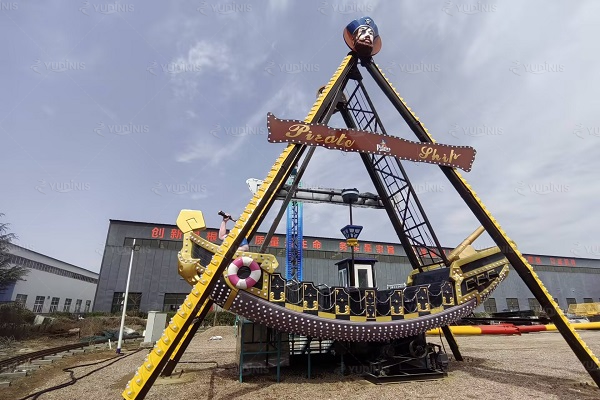
Яркий-Пиратский-корабль-для-тематического-парка-развлечений-с-качающимся-корпусом-и-прочной-рамой

Средняя цена 40-местного пиратского корабля

Цена аттракциона «Пиратский корабль» зависит от многих параметров. Для крупных моделей вместимостью около 40 пассажиров стоимость обычно выше, чем у небольших детских вариантов, поскольку оборудование имеет более мощную конструкцию, большую платформу и повышенные требования к безопасности.

В среднем стоимость профессионального 40-местного пиратского корабля может составлять примерно от 50 000 до 70 000 долларов США. Итоговая цена формируется после уточнения технических требований заказчика, места установки и комплектации оборудования.

Если вам необходимо узнать точную стоимость конкретной модели, рекомендуем ознакомиться с подробной информацией о 40 местном аттракционе пиратский корабль на продажу, где представлены основные характеристики и варианты исполнения.


Какие факторы влияют на стоимость пиратского корабля?

1. Вместимость и размеры конструкции

Одним из главных факторов цены является количество пассажирских мест. Чем больше вместимость аттракциона, тем выше требования к прочности несущей конструкции, приводной системе и системе безопасности.

Например:

  • небольшие модели рассчитаны на 8–12 пассажиров;
  • средние варианты обычно имеют 20–30 мест;
  • крупные модели для парков развлечений могут вмещать 32–40 человек за один цикл.

40-местная модель рассчитана на объекты с большим потоком посетителей, поэтому чаще используется в тематических парках, туристических зонах и крупных развлекательных комплексах.

Подробнее о характеристиках и комплектации можно узнать на странице 40-местный пиратский корабль для продажи.


2. Материалы изготовления и качество оборудования

Качественный пиратский корабль состоит из прочной металлической рамы, декоративных элементов из стеклопластика (FRP), системы привода и электронного управления.

Для коммерческих парков особенно важно выбирать оборудование, которое рассчитано на ежедневную эксплуатацию. Более прочные материалы увеличивают первоначальную стоимость, но позволяют снизить расходы на ремонт и обслуживание в будущем.

Современные производители уделяют большое внимание безопасности пассажиров, поскольку эксплуатация аттракционов требует строгого контроля конструкции и технического состояния оборудования. Общие принципы проектирования развлекательных сооружений связаны с развитием индустрии развлечений во всем мире, подробнее о которой можно узнать в статье Amusement ride — Wikipedia.

Яркий-Пиратский-корабль-для-тематического-парка-развлечений-с-качающимся-корпусом-и-прочной-рамой

3. Тематический дизайн и индивидуальное оформление

Сегодня инвесторы покупают не просто оборудование, а полноценный элемент атмосферы парка.

Стоимость может увеличиваться при выборе:

  • уникального дизайна корпуса;
  • пиратской тематики высокого уровня;
  • декоративного освещения;
  • звуковых эффектов;
  • индивидуальной цветовой схемы;
  • оформления под бренд заказчика.

Яркий внешний вид помогает аттракциону стать центральным объектом зоны развлечений и повышает привлекательность для посетителей.


Что входит в стоимость пиратского корабля?

При покупке профессионального аттракциона важно учитывать не только цену самого оборудования. Обычно предложение производителя может включать:

  • конструкцию аттракциона;
  • пассажирские сиденья;
  • систему безопасности;
  • шкаф управления;
  • электрические компоненты;
  • платформу посадки и высадки;
  • техническую документацию;
  • руководство по монтажу.

Кроме самого оборудования, необходимо учитывать расходы на международную доставку, установку и подготовку площадки.

Для комплексного планирования проекта можно также изучить другие решения DINIS для парков развлечений на странице аттракционы для парков развлечений.


Выгодно ли покупать 40-местный пиратский корабль?

Для крупных развлекательных объектов 40-местный вариант является одним из наиболее эффективных решений благодаря высокой пропускной способности.

Основные преимущества:

  • большое количество пассажиров за один цикл;
  • высокая привлекательность для семейной аудитории;
  • сильный визуальный эффект;
  • возможность размещения в тематических зонах;
  • стабильный коммерческий потенциал.

При правильном выборе места установки такой аттракцион способен стать одним из основных источников дохода парка.


Как выбрать подходящий пиратский корабль?

Перед покупкой необходимо учитывать:

Размер территории.
Большие модели требуют достаточной площади для установки и безопасной эксплуатации.

Целевую аудиторию.
Если парк ориентирован на семьи, важно выбирать баланс между уровнем эмоций и комфортом пассажиров.

Бюджет проекта.
Следует заранее учитывать не только стоимость оборудования, но и транспортировку, монтаж и последующее обслуживание.

Надежность производителя.
Опыт компании, качество производства и наличие сервисной поддержки напрямую влияют на срок службы оборудования.


Заключение

Цена 40-местного аттракциона «Пиратский корабль» зависит от множества факторов: размеров, материалов, дизайна, комплектации и дополнительных функций. В среднем профессиональные модели для парков развлечений находятся в диапазоне десятков тысяч долларов, а точная стоимость рассчитывается индивидуально.

Если вы планируете купить пиратский корабль для парка развлечений, торгового центра или семейного развлекательного комплекса, важно выбирать оборудование с учетом будущей посещаемости и коммерческой эффективности.

Для получения подробной информации о характеристиках, комплектации и стоимости посетите страницу:
https://www.dinishn.ru/40-mestnyy-attraktsion-piratskiy-korabl-na-prodazhu/


Готов ли Ваш проект к покупке 40-местного «Пиратского корабля»? 6 практических вопросов для инвестора

Покупка крупного паркового аттракциона начинается не с выбора цвета и не с запроса стандартной цены. Сначала Вам необходимо понять, как оборудование войдёт в существующую бизнес-модель, кто будет управлять проектом и какие работы нужно завершить до доставки.

40-местный аттракцион «Пиратский корабль» может стать важной частью коммерческого парка. Однако результат зависит не только от самого оборудования. Большое значение имеют подготовка участка, организация монтажа, обучение команды, техническое обслуживание и дальнейшее продвижение.

Яркий-Пиратский-корабль-для-тематического-парка-развлечений-с-качающимся-корпусом-и-прочной-рамой

1. Какую коммерческую задачу должен решать «Пиратский корабль» в Вашем парке?

Перед покупкой определите роль нового аттракциона в общей структуре проекта. Он может использоваться как отдельный платный объект, часть общего входного билета или элемент комбинированного развлекательного пакета.

Яркий-Пиратский-корабль-для-тематического-парка-развлечений-с-качающимся-корпусом-и-прочной-рамой

Вам следует заранее ответить на несколько вопросов:

будет ли каждое катание оплачиваться отдельно;входит ли посещение в единый билет;планируете ли Вы продавать семейные или групповые пакеты;должен ли аттракцион поддерживать посещаемость в определённые часы;будет ли он частью нового этапа расширения парка.

Если Вы используете отдельные билеты, важно рассчитать доход с одного рабочего цикла. При системе единого входного билета следует оценить влияние аттракциона на продолжительность пребывания гостей и общее восприятие парка.

Такой анализ помогает Вам выбирать оборудование на основе реальной бизнес-задачи, а не только по внешнему виду или популярности модели.

2. Какие данные нужно подготовить до запроса коммерческого предложения?

Чем точнее исходная информация, тем полезнее будет предложение производителя. Если Вы отправите только запрос на цену, поставщик не сможет правильно оценить доставку, монтаж и техническую конфигурацию.

Аттракцион-Пиратский-корабль-в-парке-развлечений-с-ярким-оформлением-и-высокой-металлической-конструкцией

До обращения к производителю подготовьте:

размеры свободного участка;фотографии и видео территории;план расположения существующих объектов;напряжение и частоту местной электросети;тип грунта и состояние строительной площадки;ближайший морской порт или точный адрес доставки;ограничения для грузового транспорта;планируемую дату открытия;местные требования к регистрации оборудования.

Также полезно предоставить информацию о климате, высоте над уровнем моря и сезонном графике работы. Эти данные могут повлиять на выбор электрических компонентов, защитных покрытий и эксплуатационных рекомендаций.

Чем подробнее Вы опишете проект, тем меньше изменений потребуется после начала производства.

3. Как спланировать монтаж, чтобы не сорвать дату открытия парка?

Поставка оборудования — только один этап проекта. До прибытия контейнеров Вам нужно подготовить фундамент, подъездные пути, монтажную площадку, подъёмную технику и рабочую команду.Монтажный график лучше разделить на несколько этапов:

До начала производства:Согласуйте компоновку, направление установки, электрические требования и технические чертежи.Во время производства:Начните подготовку фундамента и местных коммуникаций. Не откладывайте строительные работы до момента отправки оборудования.

До прибытия груза:Забронируйте кран, вилочный погрузчик, инструменты и проживание для монтажных специалистов, если они приезжают из другой страны.После сборки:Оставьте время на регулировку, тестовые запуски, обучение операторов и устранение возможных замечаний.

Если фундамент или электроснабжение не готовы вовремя, оборудование может находиться на площадке без возможности монтажа. Это увеличивает расходы на хранение и откладывает запуск проекта.Поэтому Вам следует рассматривать дату открытия как результат совместного графика производства, строительства, доставки и установки.

40-местный-аттракцион-Пиратский-корабль-для-коммерческого-парка-с-тематическим-оформлением-и-яркой-подсветкой

Если Вы планируете установить 40-местный аттракцион «Пиратский корабль», отправьте DINIS план участка, страну установки, требования к электросети и предполагаемую дату запуска. Команда поможет Вам оценить конфигурацию проекта, подготовить техническую информацию и согласовать дальнейшие этапы. Университеты и колледжи, добро пожаловать в гости:https://www.dinishn.ru/40-mestnyy-attraktsion-piratskiy-korabl-na-prodazhu/

Why Do Modern Investors Choose an IP Theme Park Solution for New Park Development?

In today’s highly competitive leisure and entertainment market, investors are no longer looking for ordinary amusement parks. Instead, they are seeking unique attractions that can create stronger emotional connections with visitors, generate repeat visits, and build long-term brand value. This is one of the main reasons why IP-themed parks have become one of the fastest-growing segments in the global theme park industry.

Whether it is a family-oriented outdoor park, a commercial tourism destination, or a regional amusement center, an IP theme park solution offers significant advantages over traditional amusement parks.

IP theme park solution by Dinis Factory

What Makes IP Theme Parks Different from Traditional Theme Parks?

Compared with conventional amusement parks that focus mainly on rides and attractions, IP-themed parks offer visitors a more immersive experience. Every element—from the entrance gate and landscape design to ride themes and interactive activities—is built around a unified story or character image.

This storytelling approach creates stronger emotional engagement and makes the park more memorable. Visitors are not simply riding attractions; they are entering a unique world filled with recognizable characters, stories, and experiences.

Key advantages of IP theme parks include:

* Stronger brand identity and market differentiation

* More immersive visitor experiences

* Higher social media sharing potential

* Greater appeal to families and children

* Increased visitor loyalty and repeat attendance

* Stronger opportunities for merchandise and themed retail sales

As a result, IP-themed parks often stand out more easily in crowded tourism and entertainment markets.

How Can an IP Theme Park Benefit Investors and Operators?

From an investment perspective, a successful IP theme park can deliver both short-term and long-term business advantages.

First, a recognizable theme helps attract visitors more effectively than a generic amusement park. Distinctive characters and visual elements make marketing campaigns more effective and memorable.

Second, themed environments encourage visitors to stay longer inside the park, increasing spending on food, beverages, souvenirs, and additional attractions.

Third, a well-designed IP park creates opportunities for seasonal events, themed festivals, and promotional activities throughout the year, helping operators maintain visitor interest and improve annual revenue.

In addition, a unique IP concept can significantly enhance the overall value of the project, making it more attractive to investors, tourism authorities, and commercial partners.

DINIS Offers Multiple Popular IP Theme Park Solutions

As a professional amusement equipment manufacturer with over 20 years of industry experience, DINIS provides customized IP theme park solutions for clients worldwide.

We currently offer a variety of attractive themed concepts, including:

  1. Little Yellow Duck Theme Park

    A cheerful and family-friendly theme featuring bright colors, adorable characters, and interactive attractions. This concept is particularly suitable for family parks, shopping center projects, and tourism destinations.

    little yellow duck IP theme park

    2. Crazy Rabbit Theme Park

    Designed around energetic rabbit characters and adventurous storylines, this theme combines fun rides with vibrant visual experiences, making it ideal for children’s parks and family entertainment centers.

    crazy rabbit IP theme park

    3. Circus Theme Park

    Inspired by the excitement and wonder of traditional circus culture, this theme incorporates colorful decorations, clown characters, performance areas, and thrilling attractions to create a lively carnival atmosphere.

    In addition to these options, DINIS can also develop customized IP theme park solutions according to your local market needs and project goals.

    circus-themed indoor playground

    Complete Turnkey IP Theme Park Solutions from DINIS

    At DINIS, we understand that building a successful theme park requires much more than purchasing amusement rides.

    That is why we provide comprehensive turnkey services covering every stage of project development, including:

    * Theme concept development

    * Customized park design

    * Master planning and layout design

    * Ride selection and manufacturing

    * Landscape and decoration planning

    * Transportation and logistics

    * Installation and commissioning

    * Staff training and operational guidance

    * After-sales support and maintenance services

    Our experienced team works closely with investors to ensure every project is delivered efficiently, safely, and profitably.

    Conclusion

    IP theme parks are becoming a preferred choice for modern investors because they offer stronger branding, better visitor engagement, higher revenue potential, and greater market competitiveness. With professional planning, attractive themes, and reliable equipment, an IP-themed park can become a landmark entertainment destination in any market.

    If you are planning a new amusement park project or would like to learn more about IP theme park solutions, feel free to contact DINIS. Our team is ready to help you create a unique and successful theme park tailored to your investment goals.

    Customizable and Themed: How the Wild Mouse Roller Coaster Enhances Your Park’s Aesthetic?

    At Dinis Amusement Ride Manufacturer, we know every park needs a signature attraction that blends excitement, visual appeal, and flexibility. The Wild Mouse roller coaster is a perfect choice—offering thrilling rides while doubling as a customizable centerpiece that elevates your park’s overall aesthetic. Whether in a city park, amusement area, or themed destination, this iconic ride can transform your space into a vibrant attraction hub.

    mad mouse roller coaster

    The Allure of the Wild Mouse: A Crowd-Pleaser for All Ages

    The Wild Mouse roller coaster is known for its compact design, sharp turns, and sudden drops. Unlike large-scale coasters, it delivers a thrilling yet accessible experience, making it ideal for parks of all sizes. Its space-efficient layout fits smaller areas while still offering high excitement, appealing to children, families, and thrill-seekers alike.

    Riders often describe the experience as a mix of nostalgia and modern excitement. Adding a spinning feature further enhances interactivity, allowing cars to rotate freely and create a dynamic ride every time. This versatility makes the Wild Mouse a reliable, year-round attraction that boosts foot traffic and keeps visitors coming back.

    Customization at Its Best: Tailored to Your Theme

    At Dinis, customization is at the core of what we offer. A wild mouse coaster attraction isn’t just a ride—it’s part of your park’s storytelling. We work closely with clients to customize every detail, including car design, colors, and thematic elements.

    For example, a fantasy-themed park can feature creatively carved mouse cars with playful fiberglass (FRP) details, while a modern park may opt for sleek designs with bold colors. Track colors and surrounding decorations can also be tailored to match your environment—whether it’s a coastal theme with blue tones or a festive carnival atmosphere.

    This level of flexibility ensures your coaster integrates seamlessly into your park, becoming a unique visual signature rather than just another ride.

    crazy mouse roller coaster built by Dinis

    Enhancing Aesthetics Through Design and Color

    Beyond thrills, the crazy mouse amusement park coaster significantly enhances your park’s visual appeal. At Dinis, we focus on detailed FRP craftsmanship to create durable yet artistic ride vehicles. These designs, combined with carefully selected color schemes, turn the coaster into a visual centerpiece.

    Soft pastel tones can complement family-friendly zones, while bold, vibrant colors energize thrill areas. The result is a cohesive environment that enhances visitor experience and encourages social sharing. Eye-catching designs and themed lighting can make the ride especially striking at night, increasing its appeal and memorability.

    Conclusion: Transform Your Park with a Themed Wild Mouse Coaster

    The Wild Mouse roller coaster is more than an amusement ride—it’s a customizable attraction that enhances both excitement and aesthetics. With its broad audience appeal and flexible design options, it can elevate your park’s identity and visual impact.

    At Dinis, we help you create a ride that reflects your vision while delivering unforgettable experiences. Choose a Wild Mouse coaster that not only thrills visitors but also transforms your park into a truly standout destination.

    What Carnival Owners Should Know Before Buying a Drop Tower Ride

    For carnival operators, a drop tower ride is more than just a thrill attraction — it’s a visibility asset, a revenue engine, and a long-term operational commitment.

    Unlike static family rides, a drop tower creates a skyline statement. It signals intensity, draws foot traffic from a distance, and often becomes the “centerpiece ride” in marketing materials.

    However, purchasing one — especially for a traveling carnival — requires a much deeper evaluation than simply comparing prices.

    Below is what experienced carnival owners analyze before signing a purchase contract.

    swing tower ride in Dinis factory
    swing tower ride in Dinis factory

    1. Height vs. Transport Practicality

    In fixed theme parks, height is primarily a marketing decision.
    In carnivals, it’s a logistics decision.

    Key considerations:

    Total tower height (30m, 40m, 50m, etc.)

    Number of trailers required for transport

    Assembly and dismantling time

    Crane requirements on-site

    Local height regulations in fairgrounds or temporary venues

    A 30–40m drop tower is often the optimal balance for traveling carnivals.
    It delivers visual impact while remaining manageable in transport and setup time.

    If frequent relocation is part of your business model, modular tower sections and quick-lock structural systems are critical.

    2. Seating Capacity and Throughput Economics

    Thrill intensity attracts crowds — but capacity determines profit.

    When evaluating a drop tower ride for sale, calculate:

    Seats per cycle (12, 16, 20, 24 seats, etc.)

    Cycle time (loading + ascent + drop + unloading)

    Theoretical hourly capacity

    Realistic operating capacity

    For example:

    16 seats

    3-minute cycle

    20 cycles/hour

    = 320 riders/hour theoretical maximum

    Now apply a realistic 70–80% efficiency rate.

    Throughput directly impacts ROI, especially during peak carnival days when queue time converts into visible demand and perceived popularity.

    3. Hydraulic vs. Pneumatic vs. Magnetic Braking Systems

    Modern drop towers typically use one of three braking systems:

    Hydraulic Systems

    Stable and proven

    Lower initial cost

    More maintenance over time

    Pneumatic Systems

    Smooth deceleration

    Moderate maintenance

    Magnetic Braking (Eddy Current)

    High-end solution

    Lower wear and tear

    Higher upfront cost

    For traveling carnivals, reliability often outweighs extreme drop intensity. Downtime during a fair weekend is far more expensive than slightly lower thrill performance.

    4. Wind Load and Structural Stability

    Unlike compact rides such as pirate ships or tagada rides, a drop tower is highly exposed to wind.

    Before purchasing, confirm:

    Maximum operational wind speed rating

    Engineering certification (EN13814, ASTM F24, etc.)

    Foundation requirements

    Anchor system for temporary installations

    Wind shutdown thresholds are operational realities.
    Understanding them prevents unrealistic revenue expectations.

    5. Power Consumption and Generator Matching

    A drop tower ride requires stable and sufficient power supply.

    Carnival owners should verify:

    Total installed power (kW)

    Peak startup load

    Recommended generator capacity

    Backup power needs

    Undersized generators lead to voltage instability, system faults, and increased wear on control units.

    Drop tower ride for amusement park
    Drop tower ride for amusement park

    6. Maintenance Accessibility and Spare Parts

    Before purchasing, ask the manufacturer:

    Are key components internationally available?

    What is the delivery time for replacement parts?

    Is remote technical support available?

    Are electrical systems PLC-based with accessible programming?

    For traveling carnivals operating across regions, long spare-part lead times can disrupt entire touring schedules.

    7. Insurance and Safety Certification

    Insurance premiums are heavily influenced by:

    Manufacturer reputation

    Safety compliance certifications

    Documented inspection history

    Emergency stop redundancy

    A certified ride may cost more initially, but it reduces long-term liability exposure.

    In the carnival industry, risk management is as important as ticket sales.

    8. Realistic Price Expectations

    Drop tower amusement park ride pricing varies significantly depending on:

    Height

    Capacity

    Braking system

    Finish and lighting

    Engineering certification level

    Typical ranges:

    30m–40m carnival models: mid-range investment

    50m+ high-capacity models: premium investment tier

    Rather than asking, “What is the cheapest drop tower ride carnival for sale?”, experienced owners ask:

    “What configuration delivers the strongest 5-year return per fair season?”

    9. Visual Impact and Night Lighting

    LED lighting systems dramatically increase nighttime revenue potential.

    Programmable RGB lighting:

    Enhances social media exposure

    Creates skyline dominance

    Extends ride appeal after sunset

    For carnivals operating evening-heavy schedules, lighting ROI can be substantial.

    10. Resale Value and Asset Lifecycle

    A drop tower ride is not just an expense — it is a tradable asset.

    When selecting a manufacturer, consider:

    Market recognition

    Brand reputation

    Standardized components

    Ease of refurbishment

    Well-maintained drop towers retain resale value, particularly in developing amusement markets.

    Final Thought

    A drop tower amusement ride is one of the most powerful statement rides a carnival can operate.

    But power without operational planning leads to unnecessary risk.

    Before buying, carnival owners should evaluate:

    Transport logistics

    Engineering certification

    Throughput efficiency

    Maintenance structure

    Long-term ROI

    The smartest investment is not the tallest tower — it is the tower that fits your route, your power supply, your crew capability, and your revenue model.

    When chosen correctly, a drop tower ride does more than drop riders.
    It elevates your entire carnival brand. Click our official website for more detailed information: https://www.cityparksolutions.com/product/drop-tower-ride-carnival-for-sale.html